





Highly recommend and will def use them again.
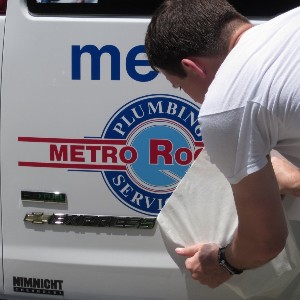
Great customer service, great quality! Tracy was super helpful, Gabriel was a big help with the design/scale, Richard gave me a little tutorial on how to apply the vinyl myself, an... read more

At Pinnacle Signs & Graphics, we don’t just make signs; we provide dynamic, visual solutions to grow your business!
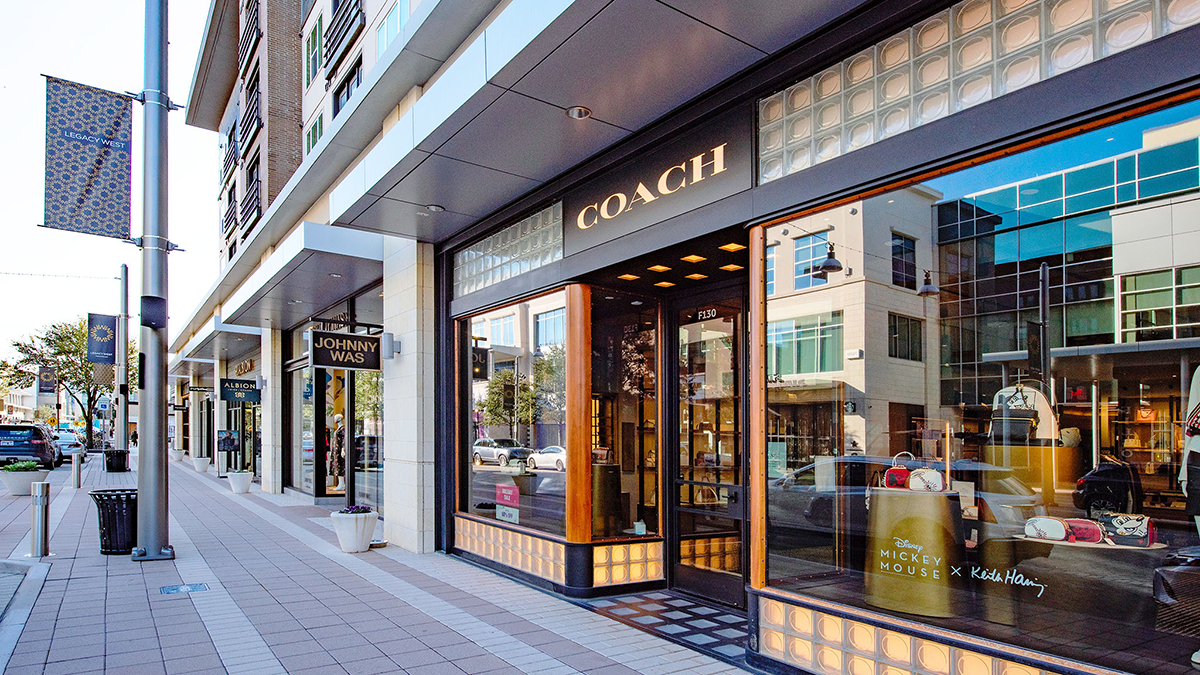 As the leading Plano sign company, our experienced professionals will handle your project from conceptualization to installation. We utilize environmentally friendly processes and high-quality, durable materials. Our team is dedicated to providing outstanding products and services. As a full-service signs and graphics company, we look forward to exceeding all of your business promotional and marketing goals.
Your business signage tells potential customers about your brand, products, and services. Our attractive outdoor signs get your business noticed. Our cohesive interior signs get your brand remembered. Whether you need signage to support your business, assist employees and guests with wayfinding, or to keep visitors and guests safe, we are here for you.
Call Pinnacle Signs & Graphics today at (469) 808-0003 for your Free Consultation with a Signs & Graphics expert!
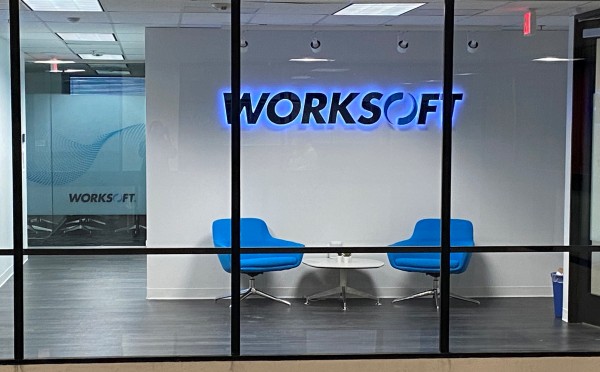
Are you looking to increase your sales and improve employee productivity? Pinnacle Signs & Graphics delivers your business customized solutions that can help you succeed. We are your trusted advisors during every step of your project from the initial free consultation to sign installation. Our experts will ensure that we understand all aspects of your business including your unique business goals, brand, location, and budget. Our process ensures that we develop the right functional signage solutions that will work for you.
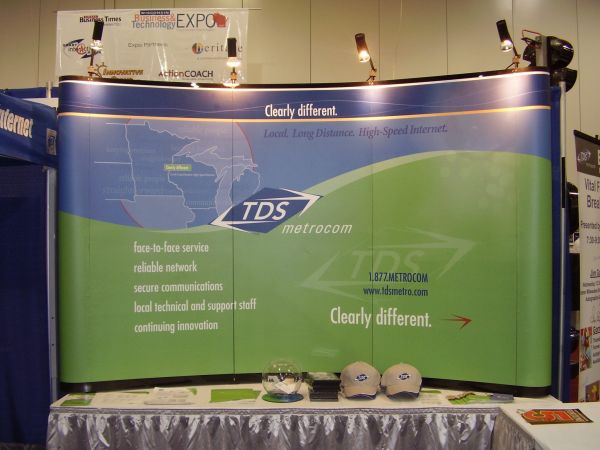
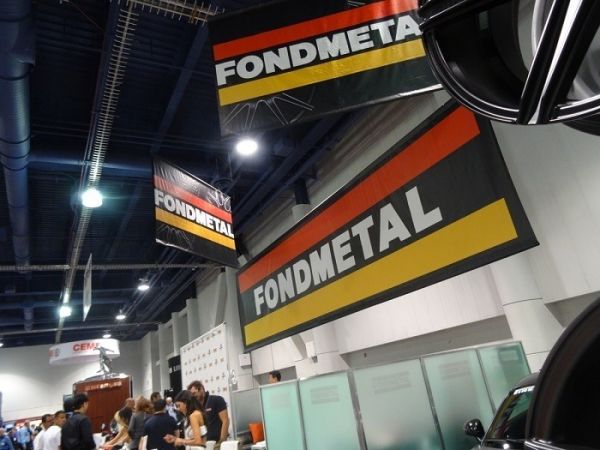
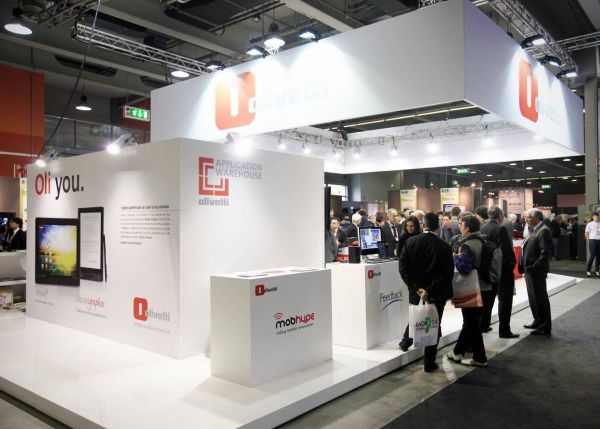
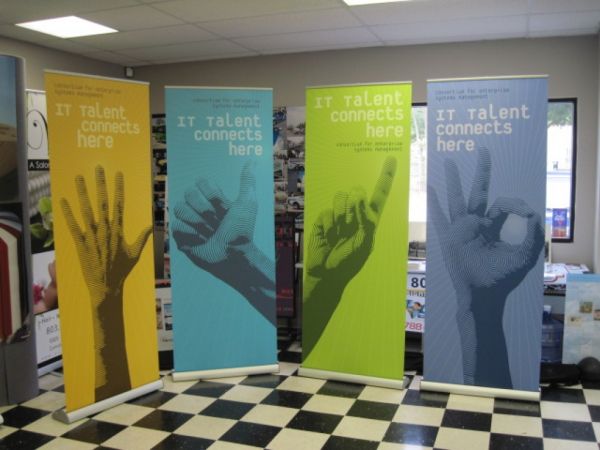
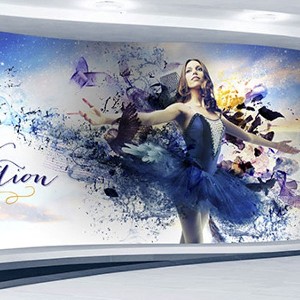
We are a complete provider of business signage, including indoor signs and graphics, outdoor signs, vinyl signs, vehicle wraps, tradeshow displays, banners, wall murals, and any other custom signs you need to promote your business, grow your brand, and accomplish your goals. We have the necessary tools and resources to help you get your business and brand noticed.
 Pinnacle Signs & Graphics knows that your business venture is like no other. Your branding, business model, corporate structure, and the products and services that you offer define your corporate identity. But, how can you showcase this and get your potential customers excited?
Custom commercial signage by Pinnacle Signs & Graphics means that you get the right signs for your Plano, TX business and goals every time. We deliver the perfect sign to highlight your products and services. We’ve worked with retail stores, contractors, office buildings, restaurants, manufacturers, schools, non-profits, and even government agencies. Working with us will ensure that your needs and wants will be fulfilled.
Sophisticated business signs and graphics are marks of a professional business. Signs made by Pinnacle Signs & Graphics are high-quality which best reflect your products and services.
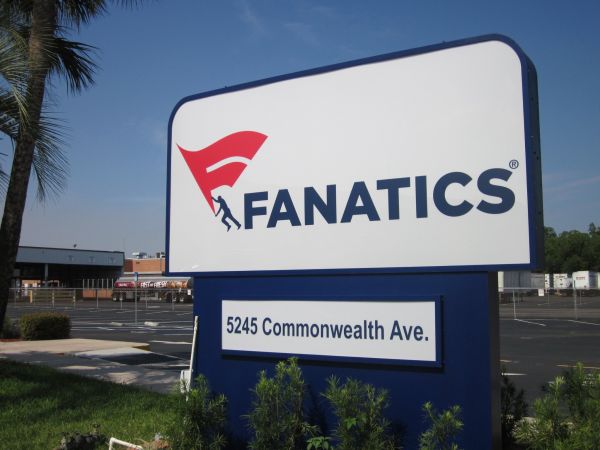
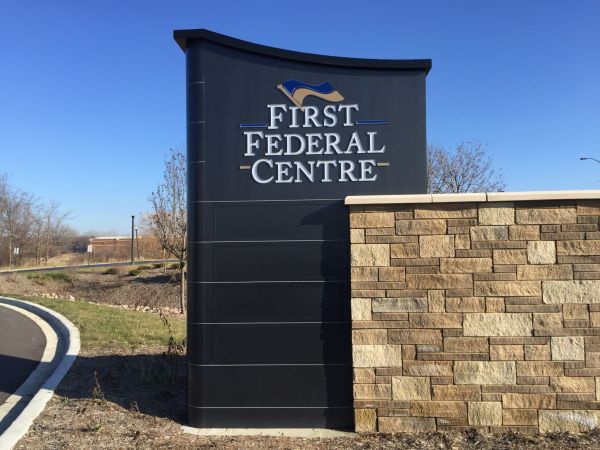
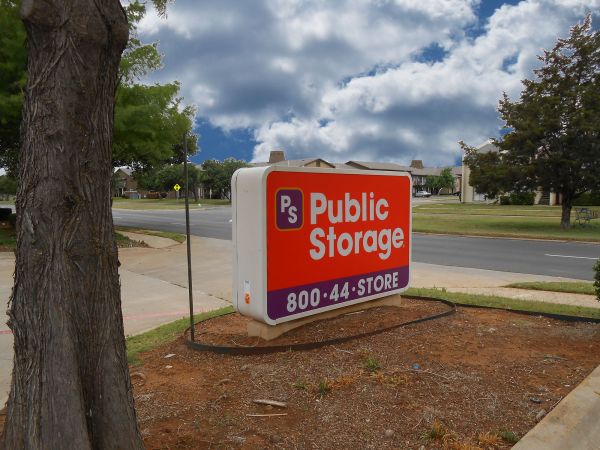
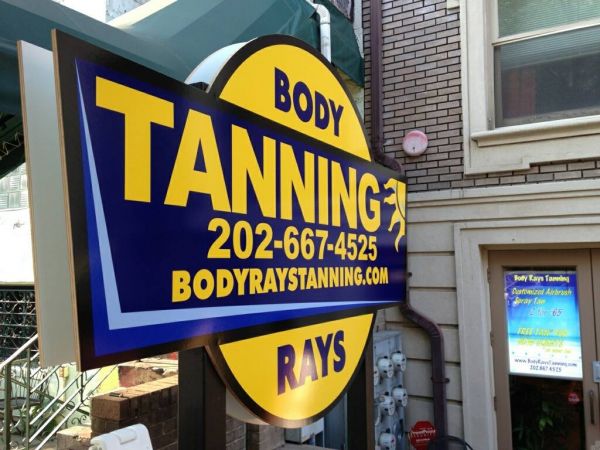
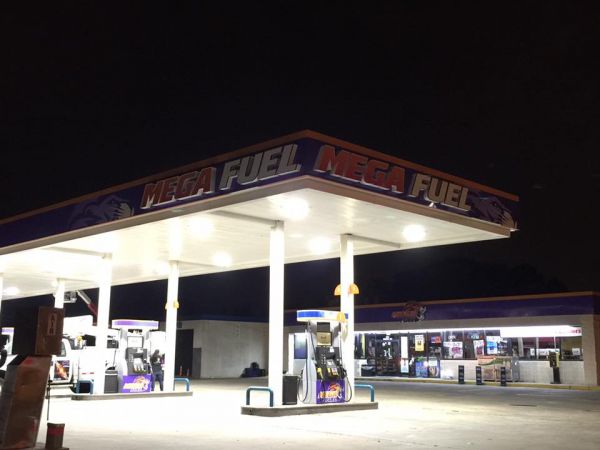
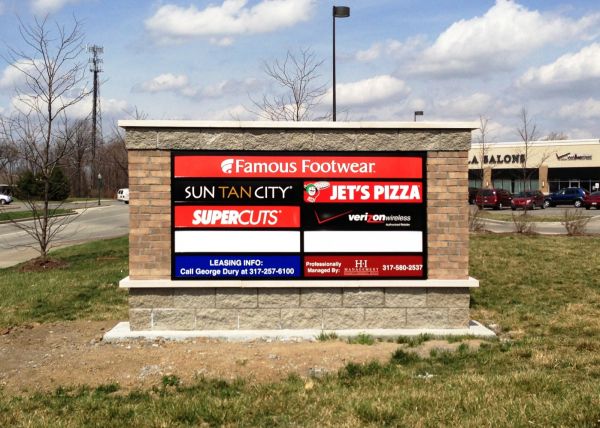
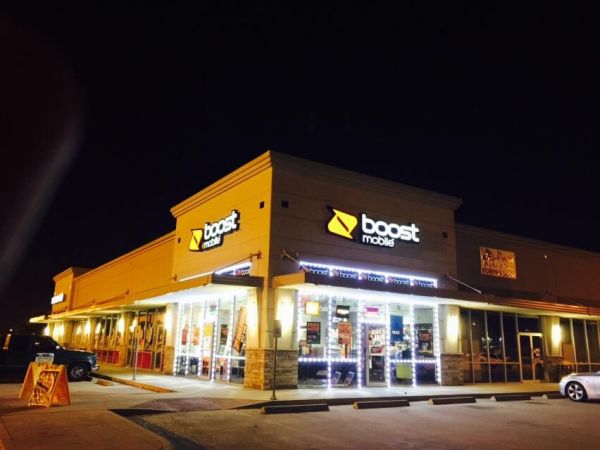
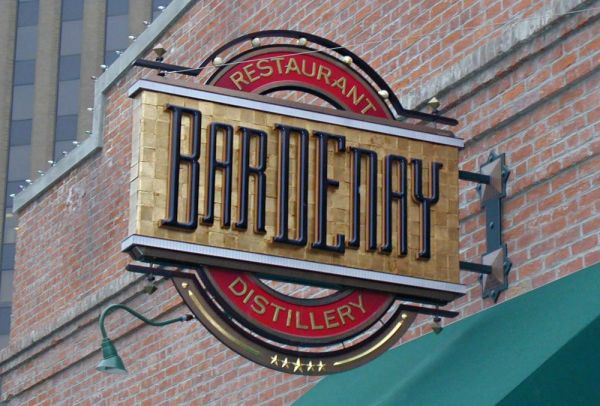
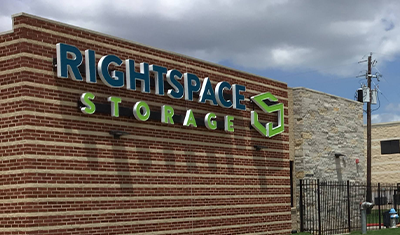
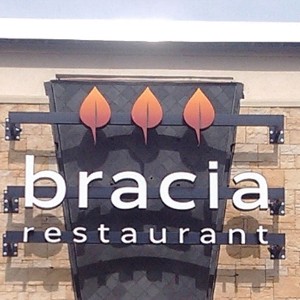
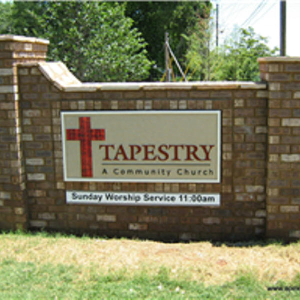
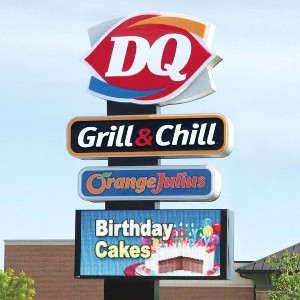
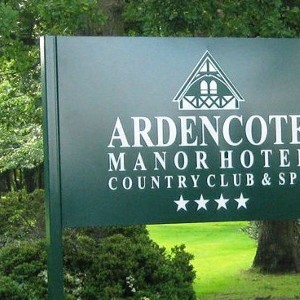
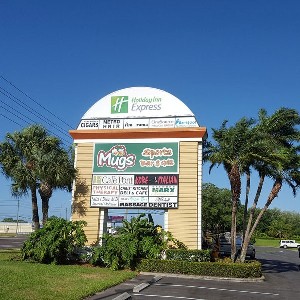
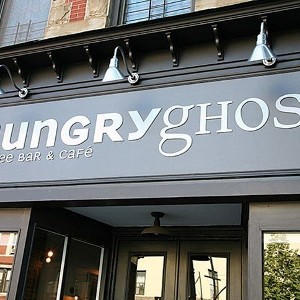
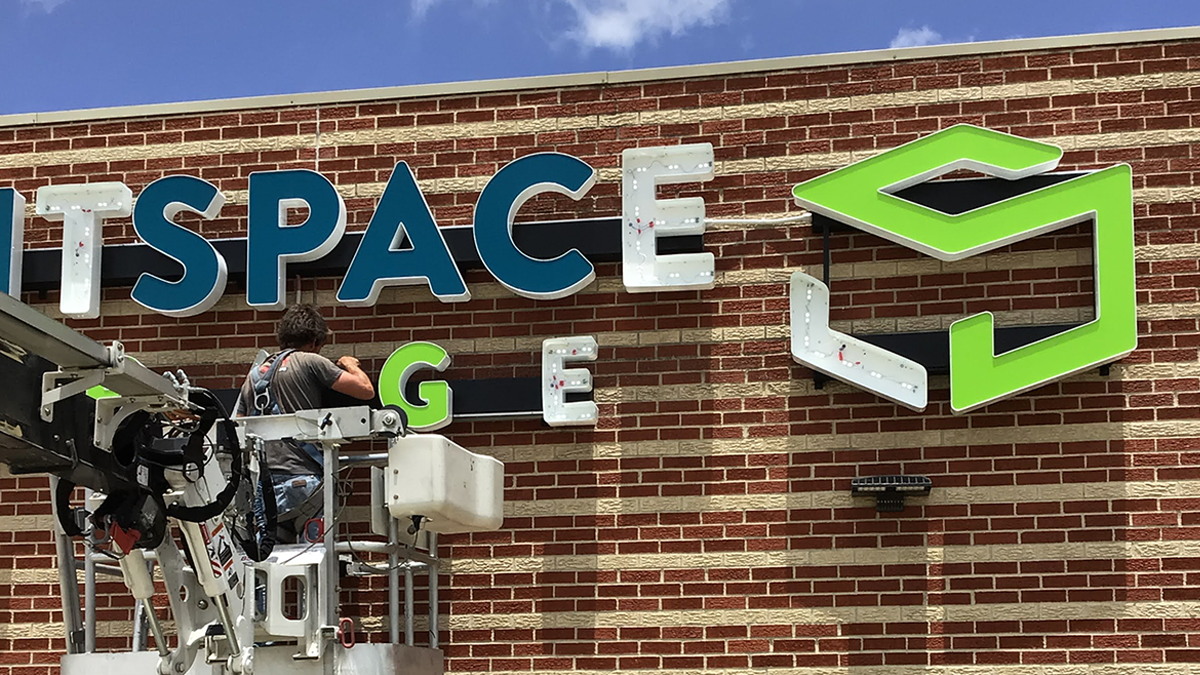 Our experts at Pinnacle Signs & Graphics can create the best high-quality outdoor and exterior signs from sophisticated monument signs to towering pole signs. These eye-catching signs will surely get your business noticed.
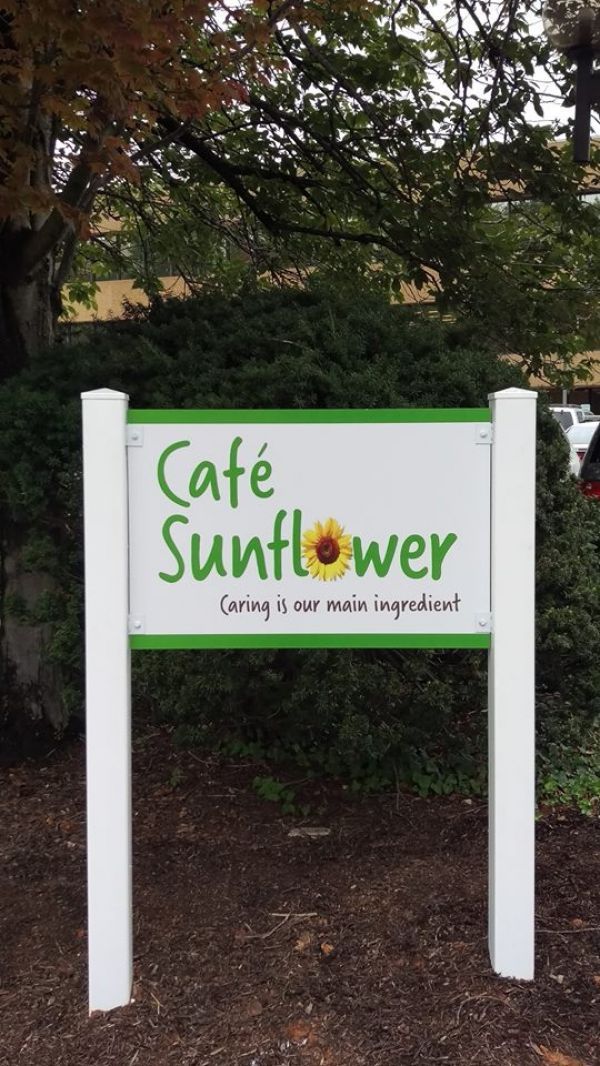
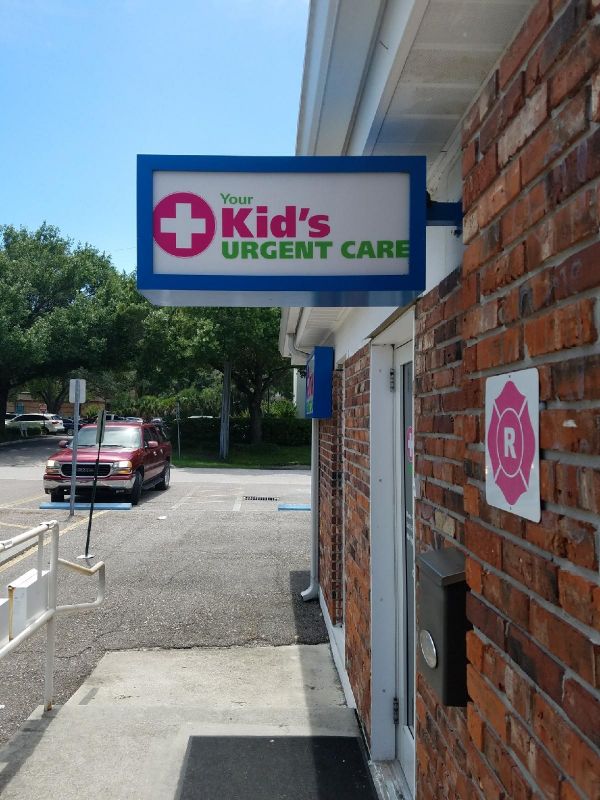
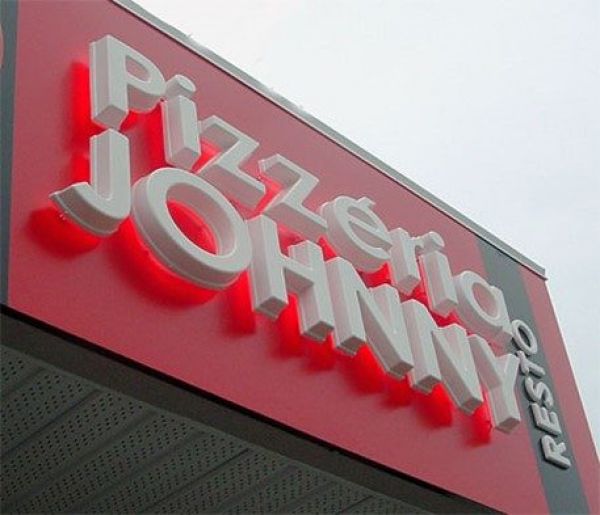
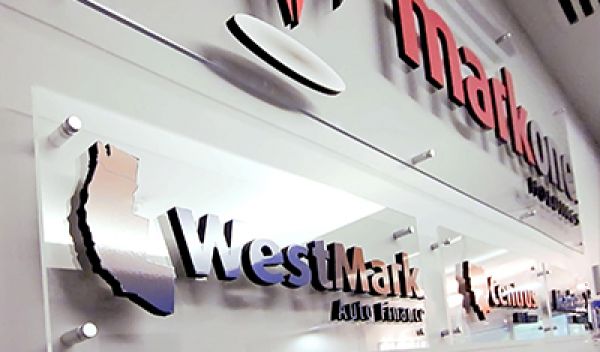
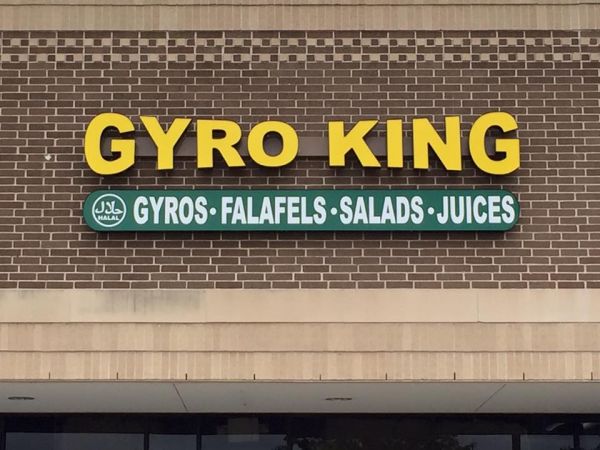
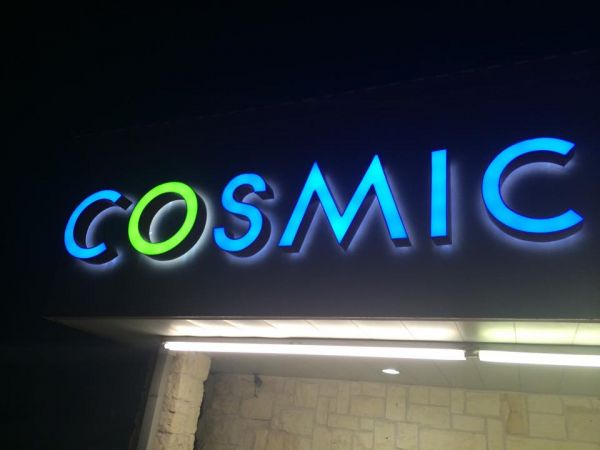
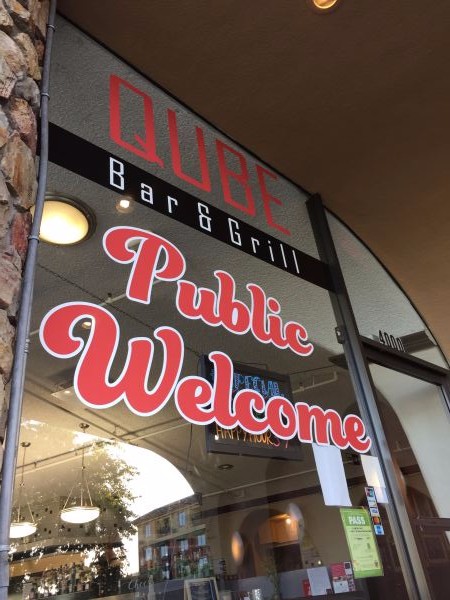
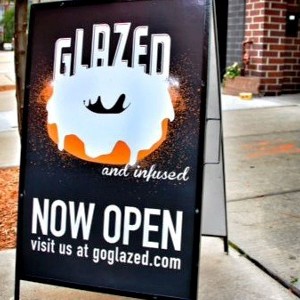
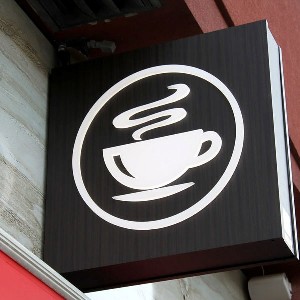
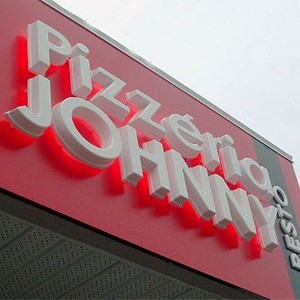
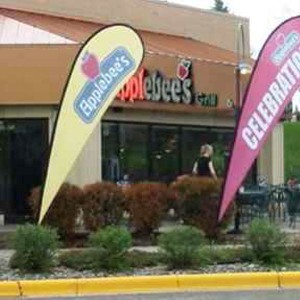
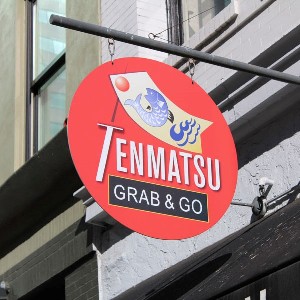
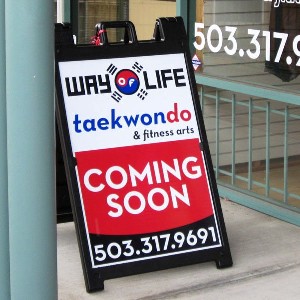
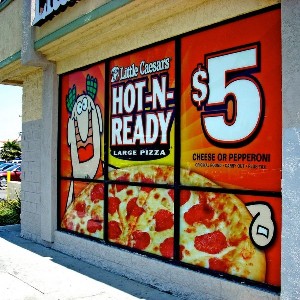
Your business storefront should attract, convert, and retain customers. Take advantage by making sure that the information on your storefront highlights your products and services. Use channel letters, dimensional letters, hanging signs, and awnings. Also, you can install window displays to take advantage of its visibility. Additionally, you can deliver promotional information using banners, A-frames, and flag signs.
The combination of the signage elements will win you more customers with the help of Plano, TX sign company, Pinnacle Signs & Graphics.

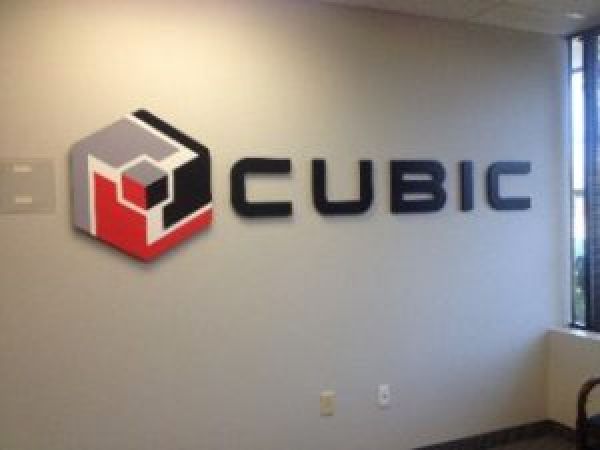
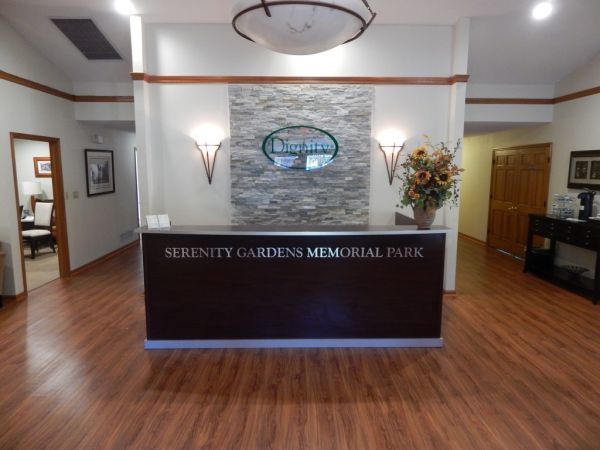
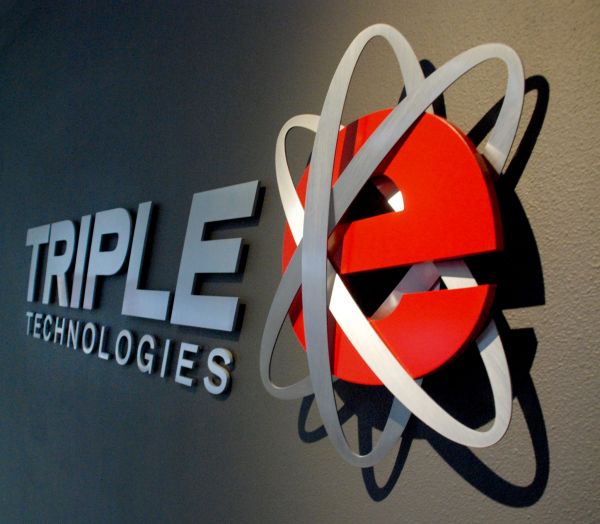
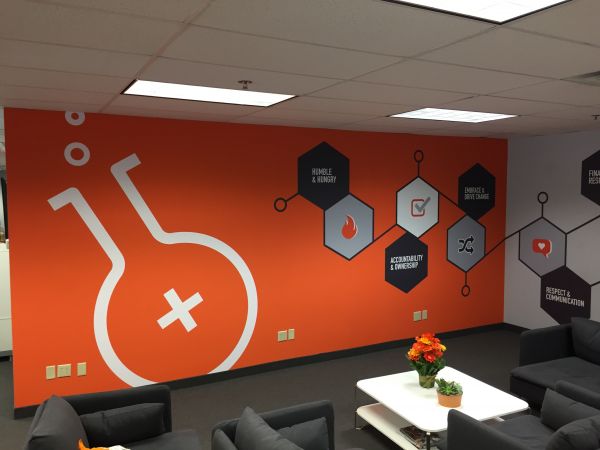
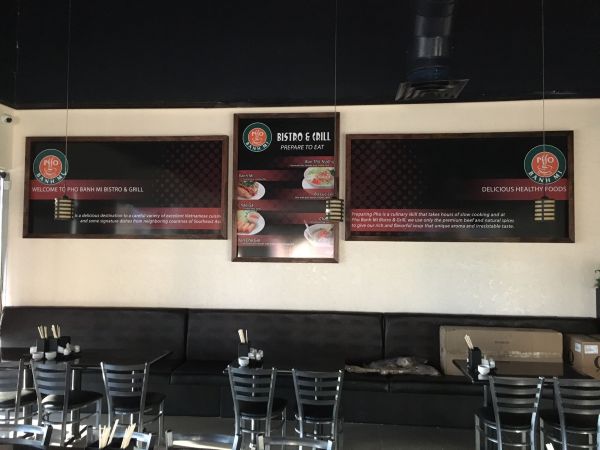
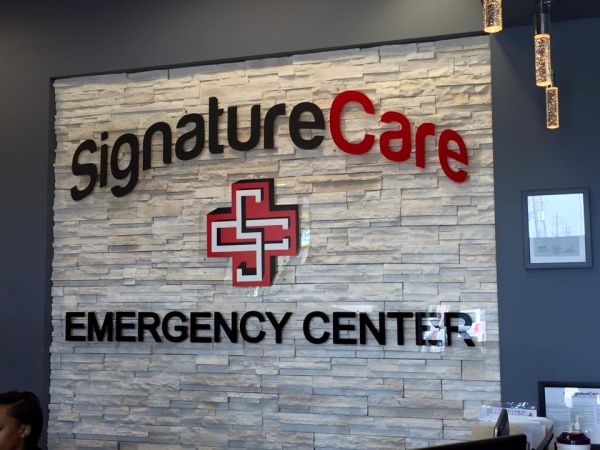
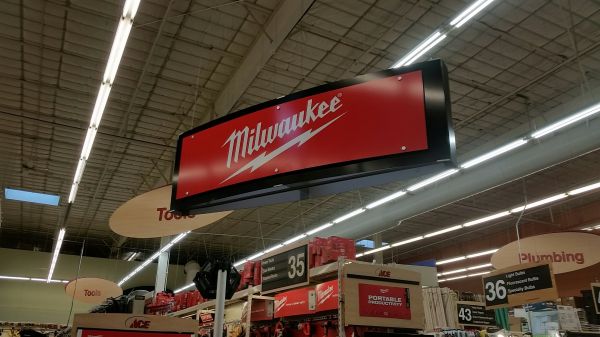
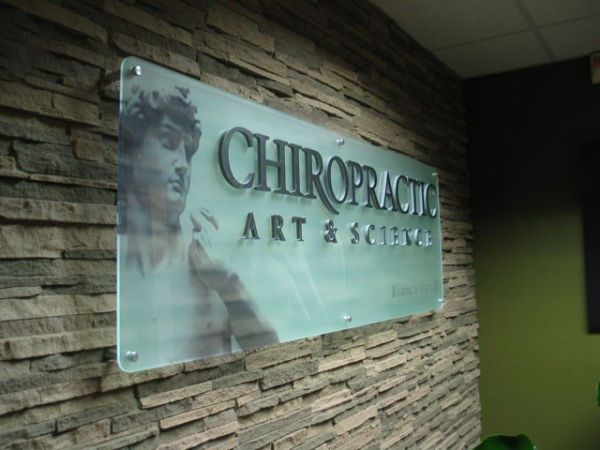
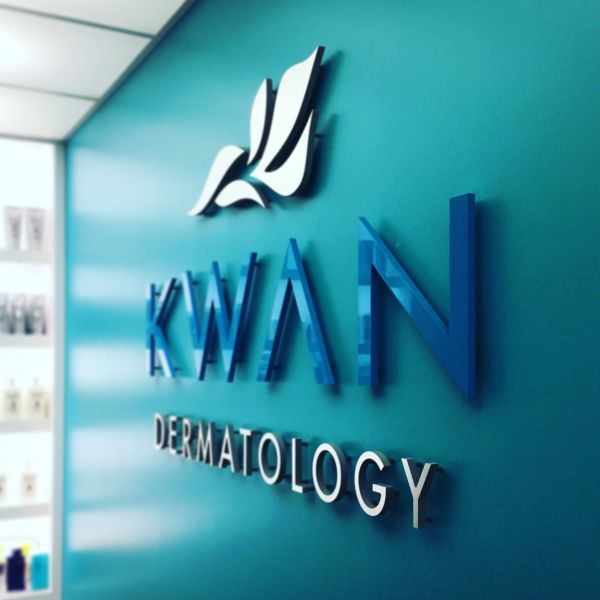
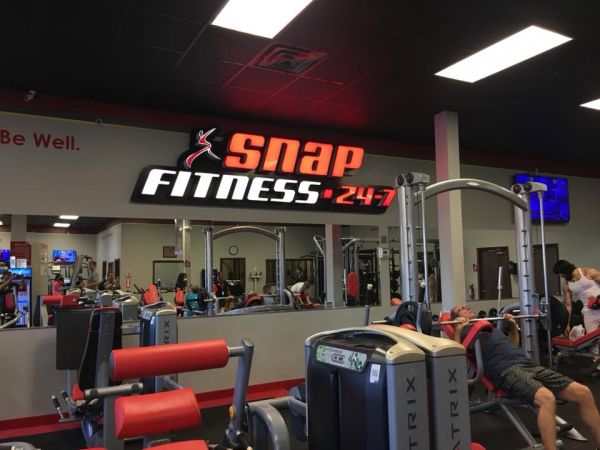
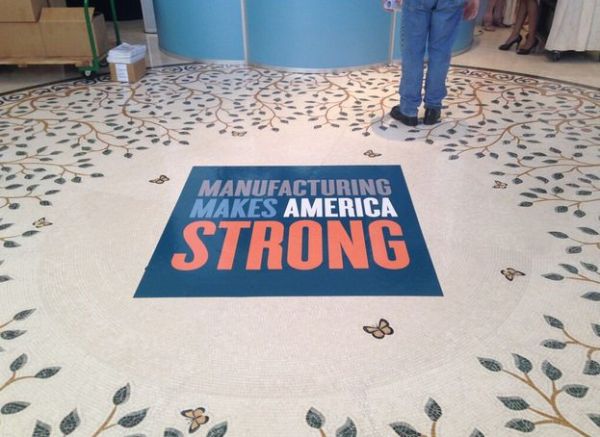
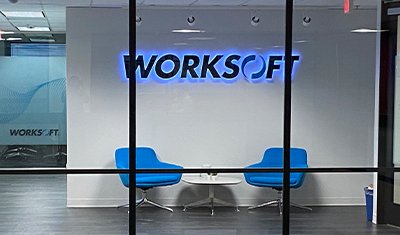
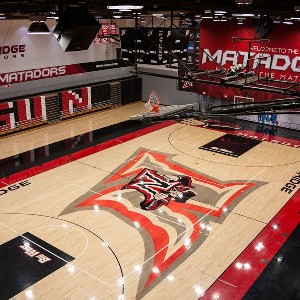
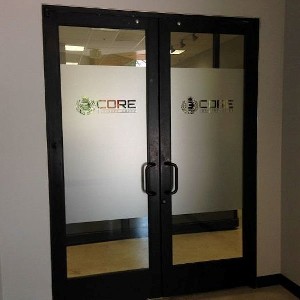
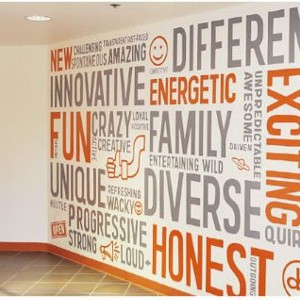
Your customers and employees can benefit from impactful indoor signs by Pinnacle Signs & Graphics. We can make custom signs and graphics to feature your corporate identity.
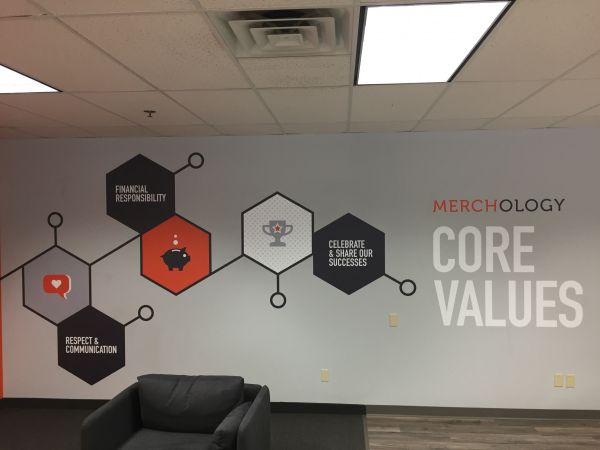
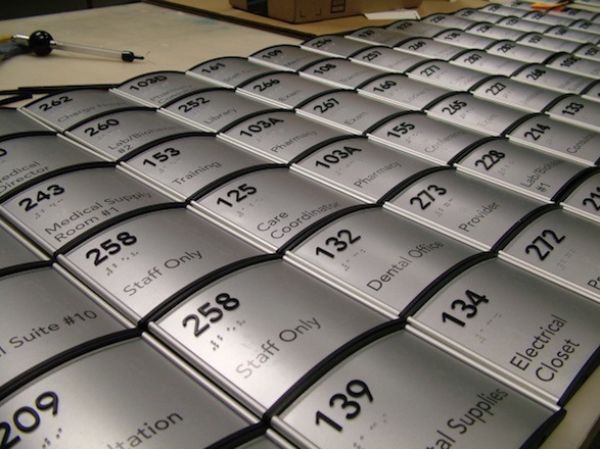
Your business establishment’s layout, unique goals, and legal requirements will determine the interior signage that fit your identity. Various signs like wayfinding signage, safety signs, and motivational murals can highlight your brand while delivering useful information. Our professionals at Pinnacle Signs & Graphics will handle everything from the consultation to the installation of your indoor sign. We only produce the best signs which are cohesive with your brand identity.
Pinnacle Signs & Graphics will visit your location and evaluate your business space to determine the best signage solutions for you. We look forward to creating the most productive workspace possible with you!
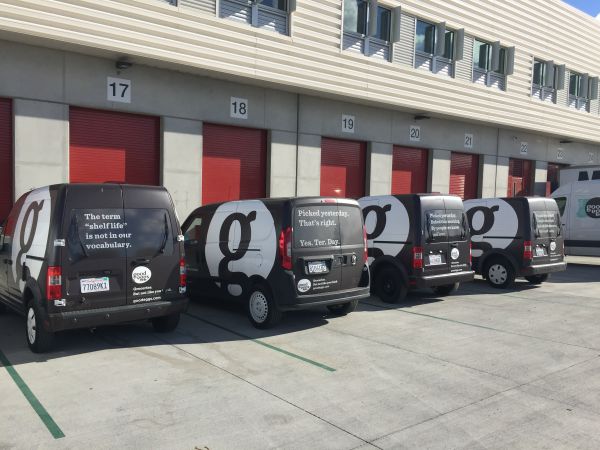
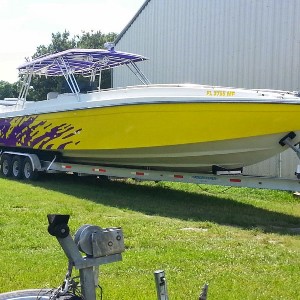
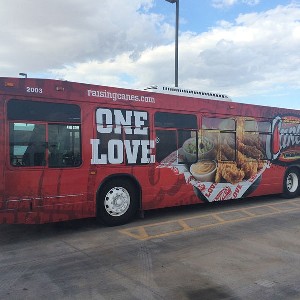
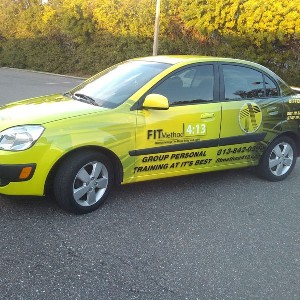
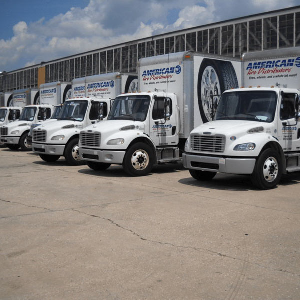
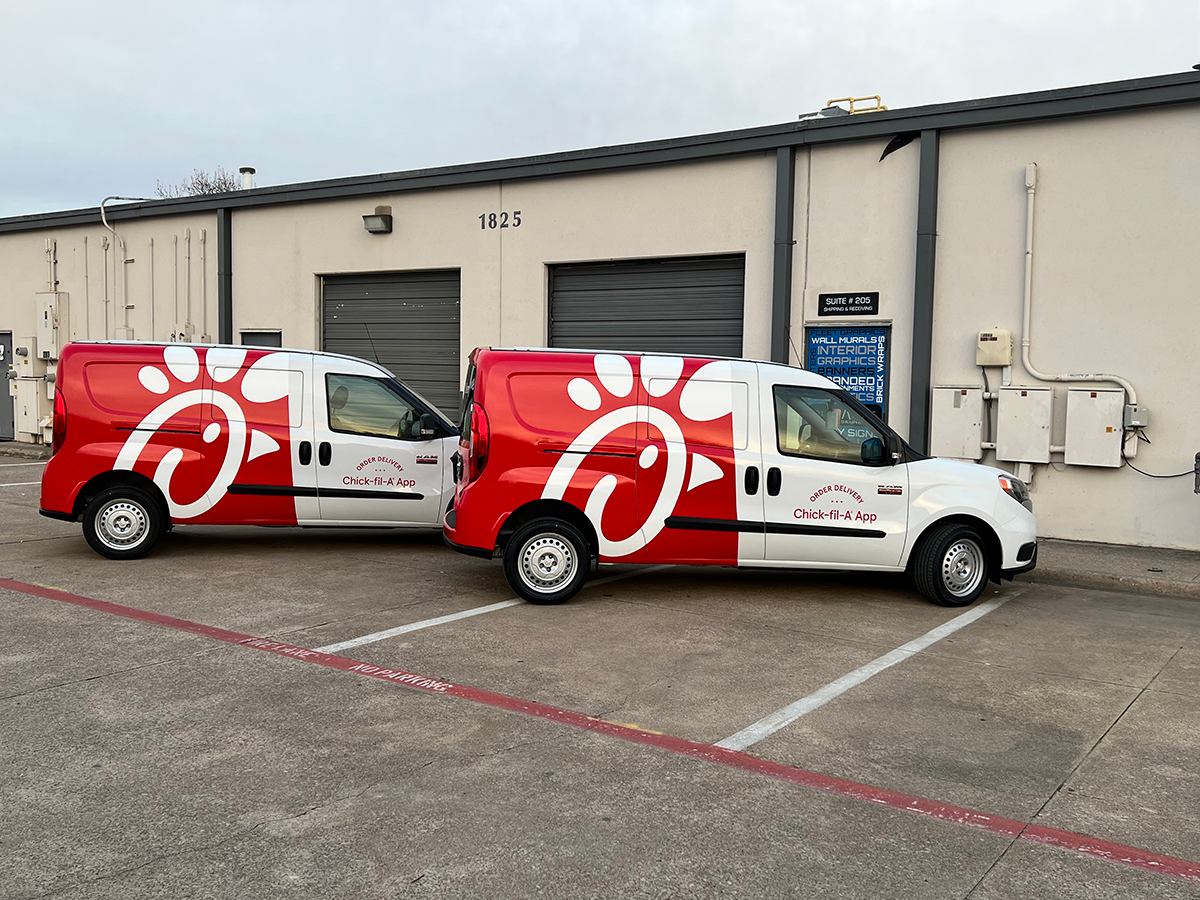 Vehicles are the best way to carry your business brand everywhere using commercial wraps and graphics.
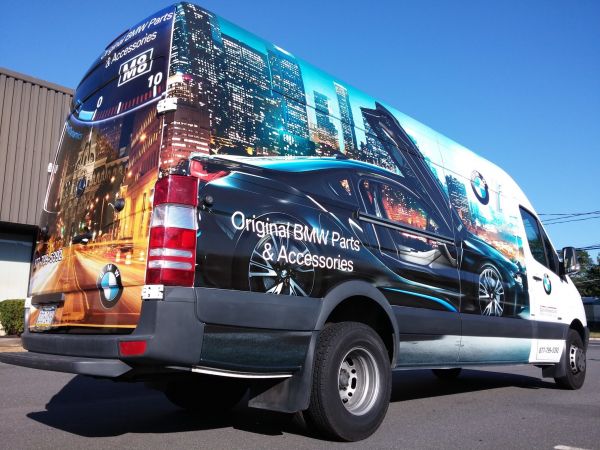
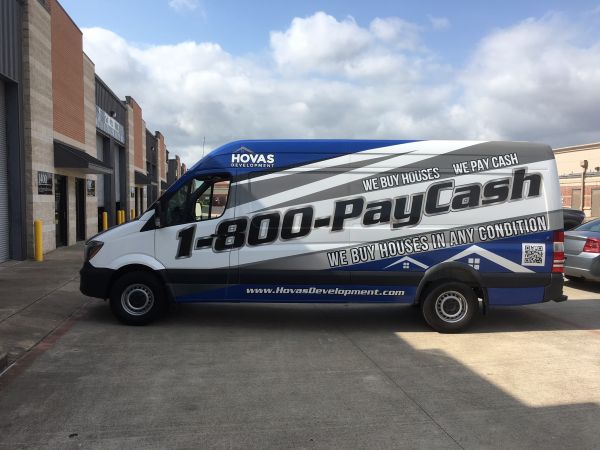
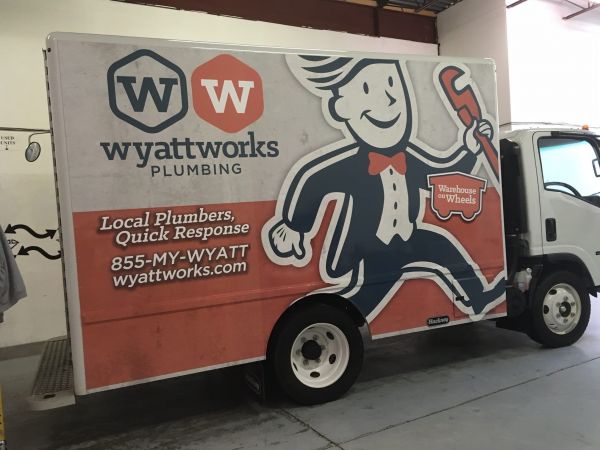
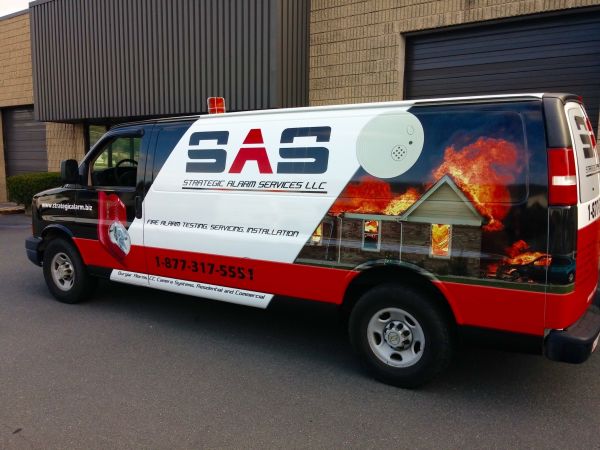
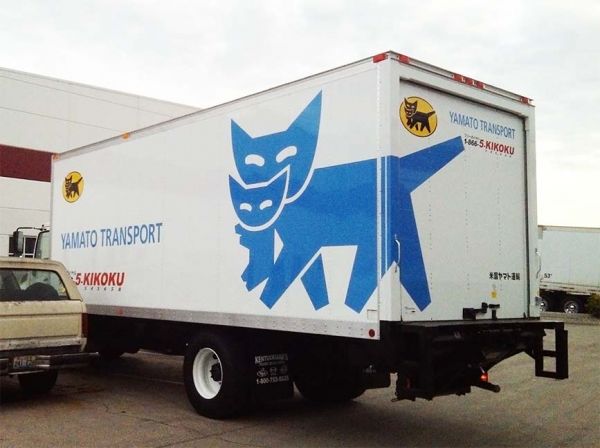
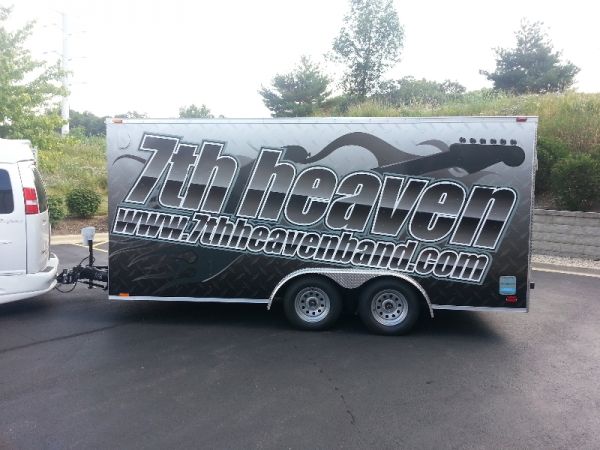
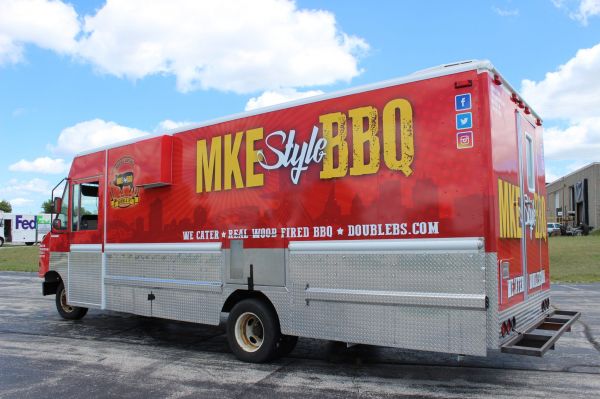
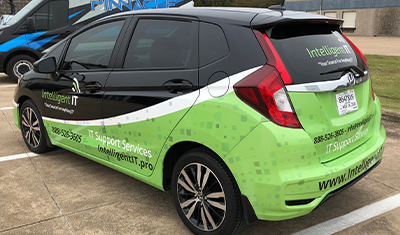
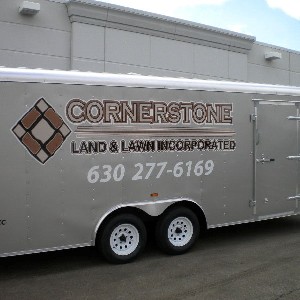
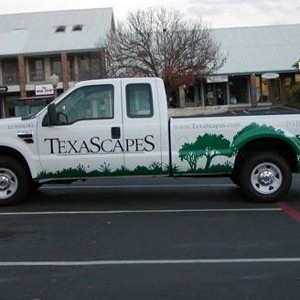
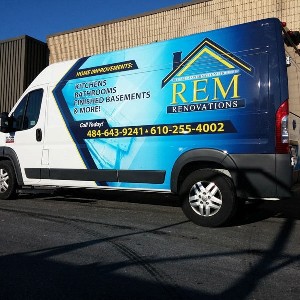
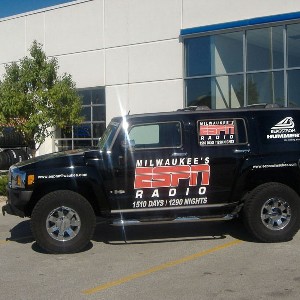
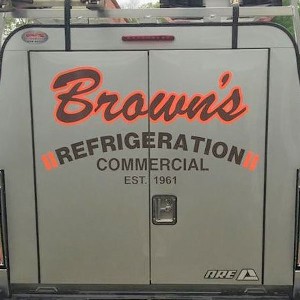
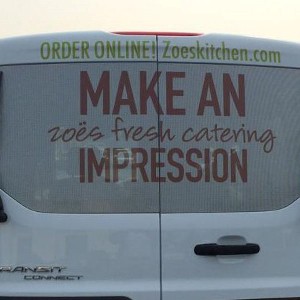
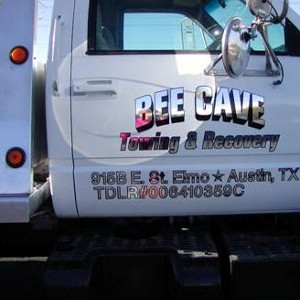
At Pinnacle Signs & Graphics, we provide the best wrap services, whether it’s for your corporate car or your entire fleet. Our custom wraps can be installed on any type of vehicle such as buses, RV’s, smart cars, motorcycles, ATV’s tankers, semi-trucks, and golf carts. They not only promote your business but provide a protective layer to your vehicle. Now, you feature your products and services whether you are heading to your appointment or parked in your lot.
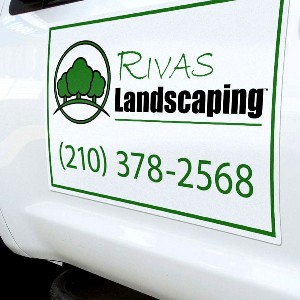
Businesses on the go like delivery companies, food trucks, and contractors can use vehicle wraps, graphics, and magnets to advertise practically everywhere. It increases your business’ exposure that targeted wrap provides. We provide complete coverage and style options to ensure you are getting the perfect mobile advertising elements for your brand and needs.
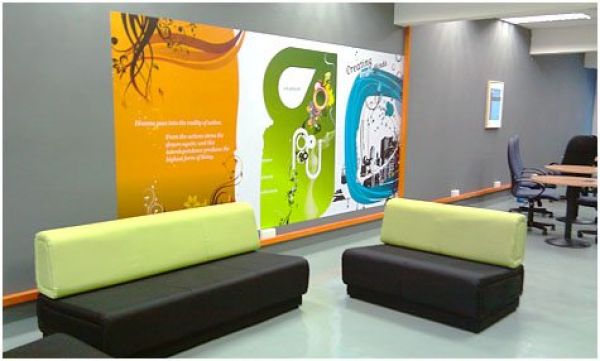
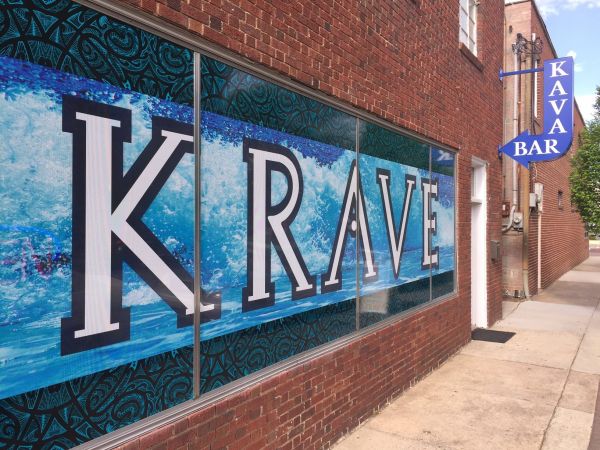
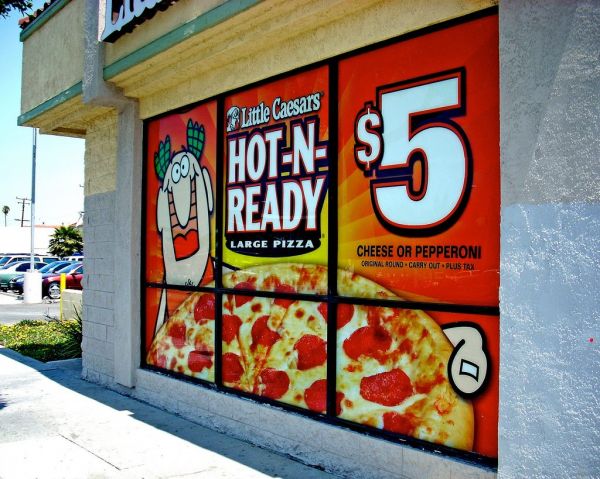
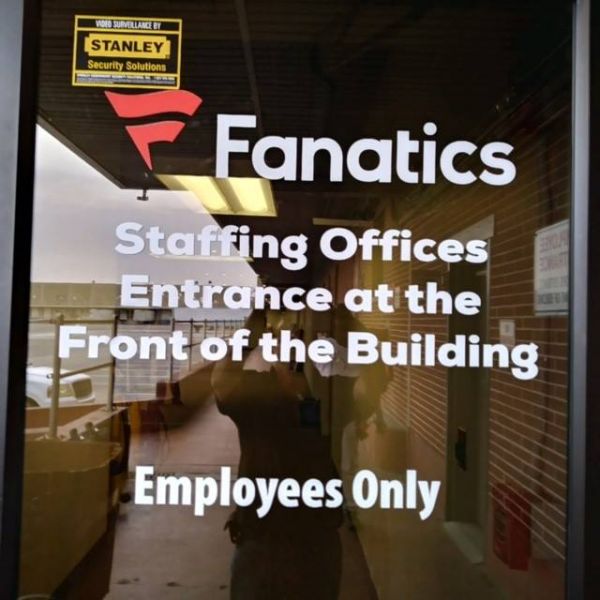
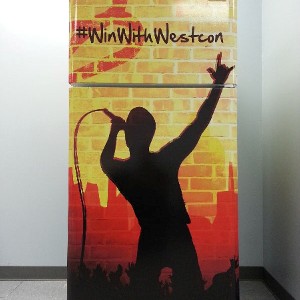
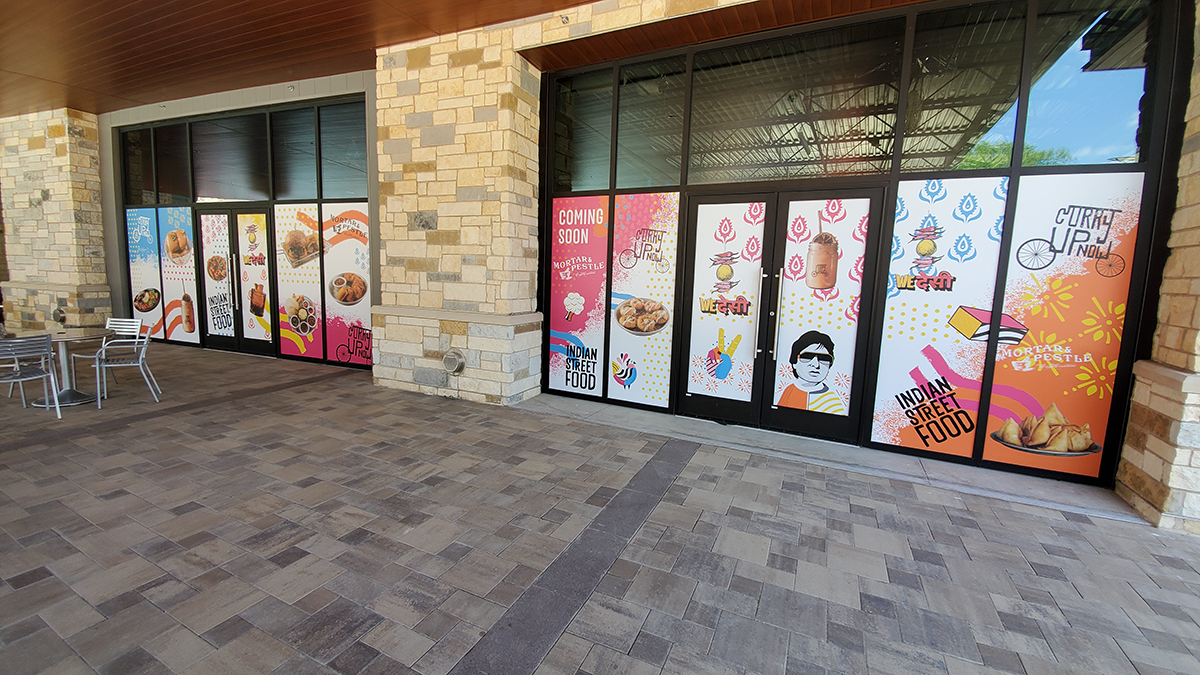
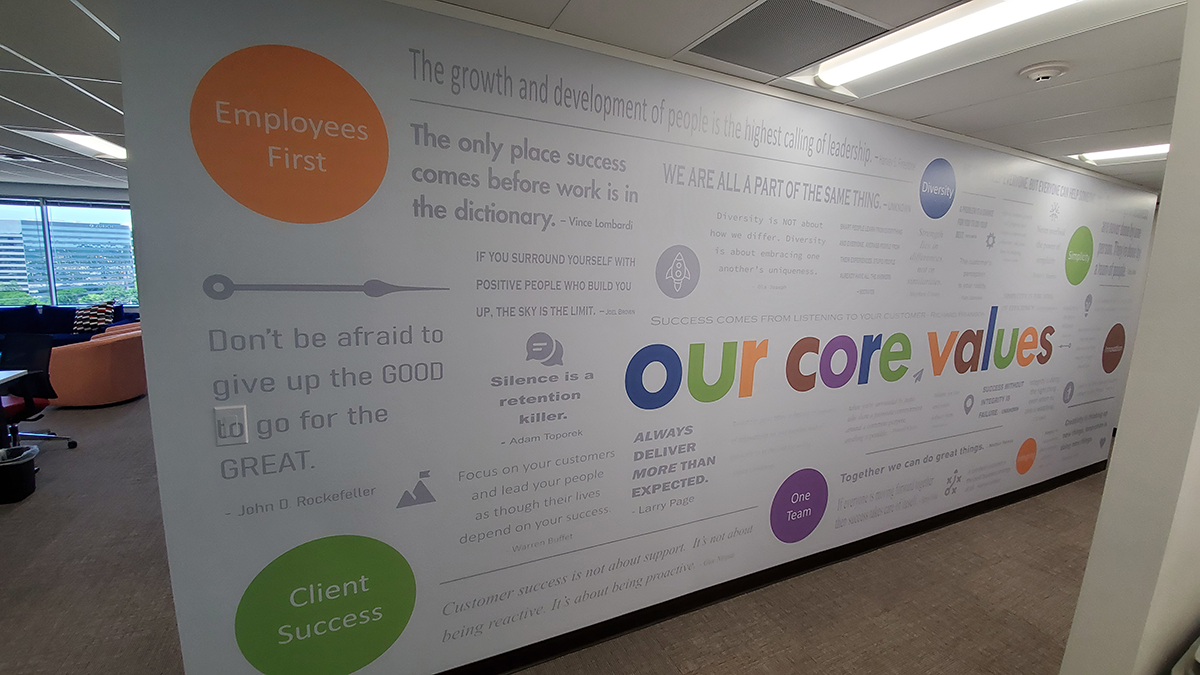 Vinyl signs, banners, and graphics provide heightened business promotion and consumer engagement for your business. Whether seeking a way to gain interest to your business, supporting shoppers when searching for a particular area, department, or product, or are looking to get more results from your convention attendance, our workforce of vinyl sign and graphic specialists create a customized vinyl signage for your needs.
We are your experienced all-inclusive vinyl banners and signs partner, offering personalized printing solutions, from design to installation. This means we can produce all of the different business graphics your facility desires.
If it’s custom, branded lettering, window graphics, banners, wraps or a full vinyl sign and graphic set you are looking for, our experienced vinyl sign pros manage your project quickly, professionally, and with close attention to each and every detail.
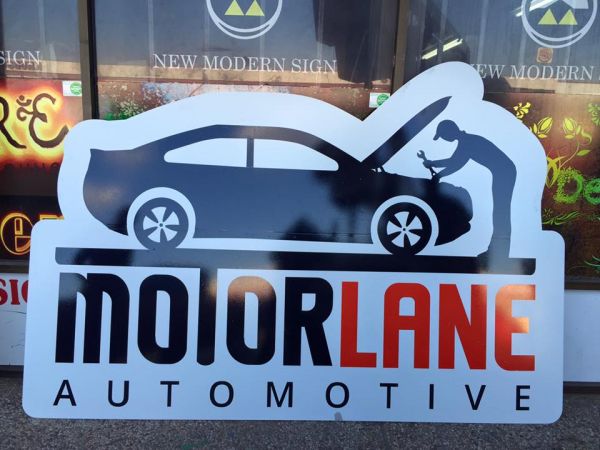
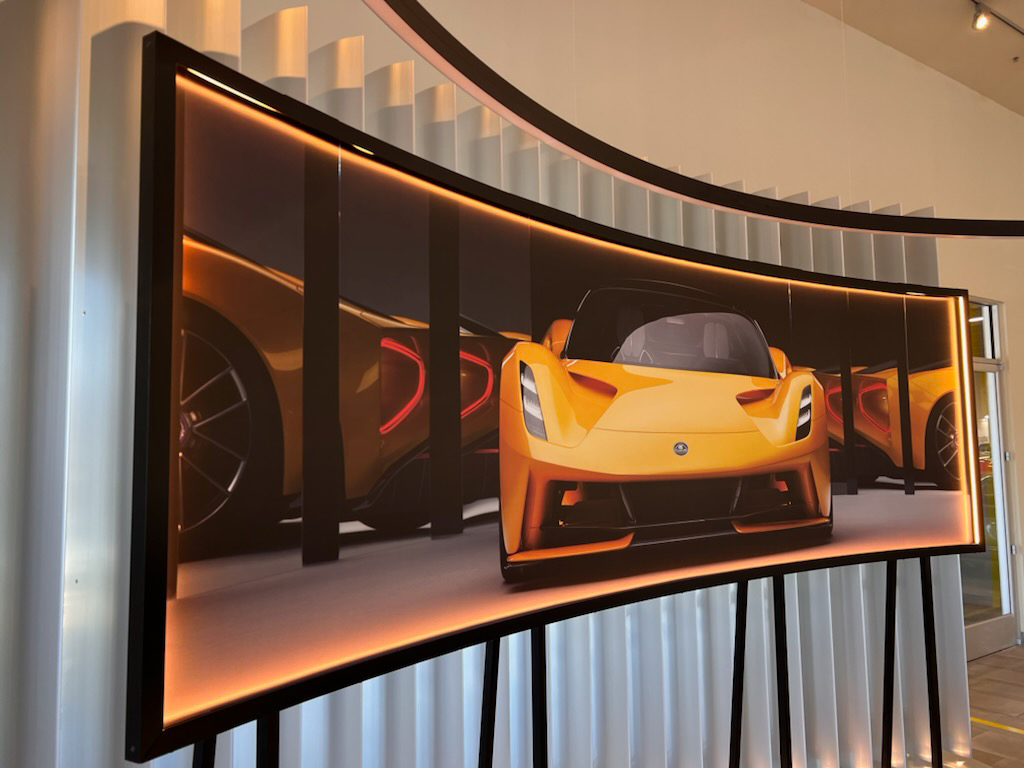 Pinnacle Signs & Graphics knows that a custom sign is the best option to truly reflect your unique brand and needs. Your sign needs to be complementary and cohesive with your brand and location while being in parallel with your needs, budget, and timeframe.
We consider these items while creating the best sign solution for your business needs. Whether it is a simple storefront sign or a unique interior display, we will guide you through everything to deliver everything that you need.
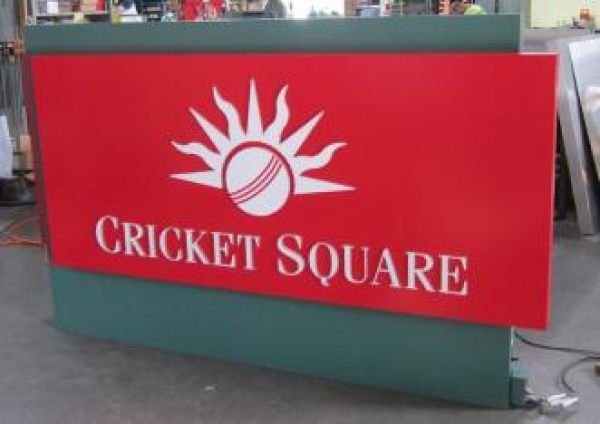
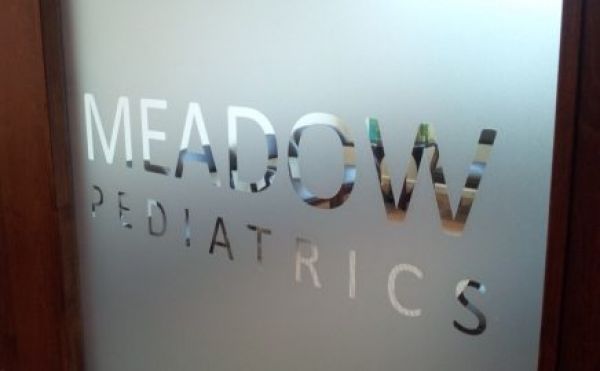
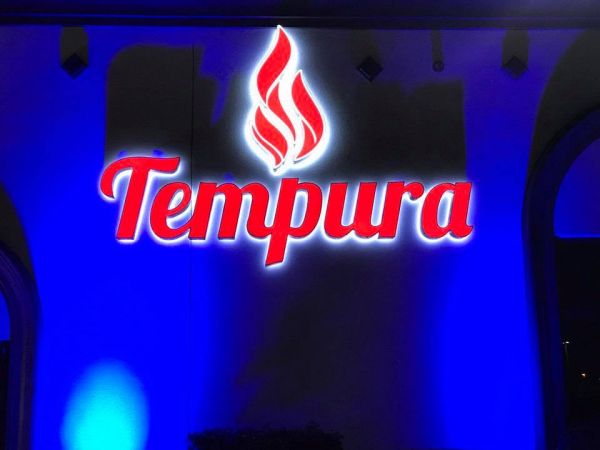
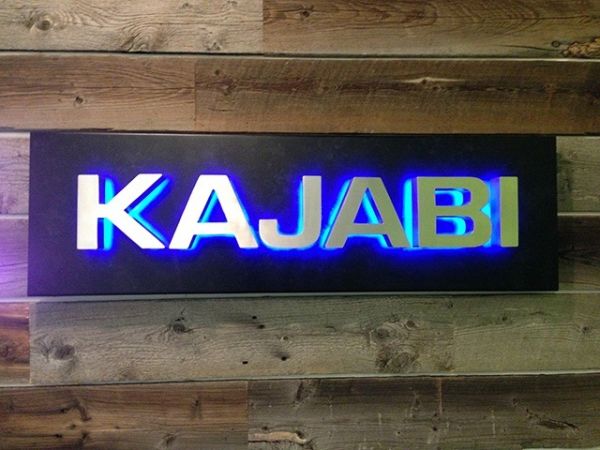
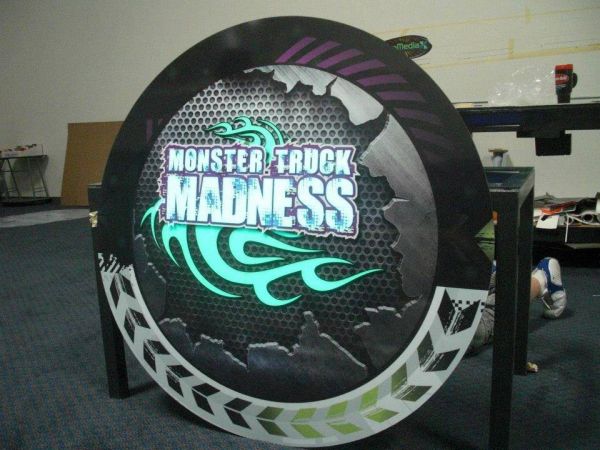
Your unique brand and business identity deserve specialty signs that will showcase it. Various elements like lighting, etching, burning, and carving will make your business stand out among competitors.
As a signage company with years of experience, we know what personalized signs will increase traffic and brand awareness. We can create anything from a single custom sign to an entire collection for your marketing campaign. Pinnacle Signs & Graphics produces the perfect signage solutions for you.
Very few companies will support you during every stage of your signage project. Pinnacle Signs & Graphics is your one-stop sign shop that carries a wide range of services that will surely fit your unique needs. We design, manufacture, and install any sign for your business. Moreover, we also provide repair and maintenance services.

We work hard to understand your business identity and goals starting with our free consultation. It is a significant insight that allows us to make the best recommendation that will best meet your needs from sign types to placement. Our consultants will work with you to consider your timeframe, location, and budget. It ensures that your ideas are captured in our final design.
Our Plano signs and graphics company only produces environmentally friendly signs by following strict business and manufacturing practices. We can accomplish this by utilizing sustainable materials, machines, and methods which significantly reduce waste and conserve energy.
Pinnacle Signs & Graphics is the right partner when you need the perfect signage. With years of experience in the industry, we have a wide range of signs from vinyl banners to vehicle wraps. If you have any inquiries about signage, do not hesitate to contact us.
A business sign is an effective way of bringing your business and your brand right to your potential customers. It can set your business apart from your competitors. Together with you, we will create the best business sign that will take your business to the next level.
Pinnacle Signs & Graphics, your Plano sign company, is looking forward to impressing you with our world-class customer support, expert design skills, and superior sign creation. Our dedicated staff is ready to develop all of the indoor signs that you need to assist your clients with navigation, brand marketing, product promotion, or customer service.
Contact Pinnacle Signs & Graphics today at (469) 808-0003 for your Free Consultation with a Signs & Graphics expert!